EN

Borehole Instability and Collapse
During drilling operations in the rainy season, borehole collapse is the most frequent technical challenge. When loose sand layers, gravel deposits, or severely weathered rock strata become saturated with rainwater, they lose their structural stability, causing exposed sections of the borehole to collapse inward rapidly. The collapsed material fills the bottom of the hole, which can lead to the drill string and bit becoming stuck—a situation that leaves crews struggling with trapped drilling tools or a buried drill string.
Factors such as geological structure, natural groundwater levels, the quality of the drilling fluid, and on-site operational practices all play critical roles. Even in the absence of rainfall, fractured bedrock and expansive clay layers carry a very high risk of collapse. If the drilling mud is improperly formulated, it fails to form an effective protective “mud cake” on the borehole walls; furthermore, rapid tripping of the drill string can trigger sudden pressure fluctuations, which destabilize the surrounding soil. When these factors are compounded by the infiltration of rainwater, the probability of borehole instability increases significantly.
Muddy Ground and Equipment Sinking
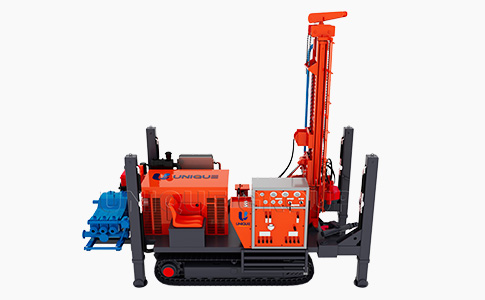
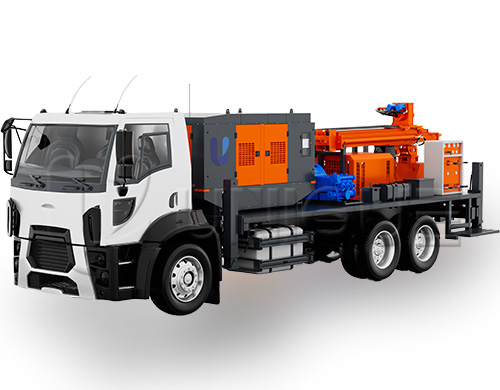
Once the ground becomes saturated with rainwater, its load-bearing capacity drops drastically. The solid soil matrix turns into soft mud, and the ground surface can no longer support heavy drilling machinery. Different rig types face different movement risks under these wet conditions. Crawler water well drilling rigs spread weight across wide track plates, but they still sink into deep mud when the ground turns overly soft. Wheeled and truck-mounted drilling rigs carry higher point loads on tires, so they bog down far more easily on waterlogged ground. Supporting equipment including air compressors, mud pumps and material transport vehicles face the same sinking hazard.
Muddy construction sites also create serious safety risks for field personnel and equipment. Slippery mud increases the chance of slips and falls for ground crew. Uneven softened ground causes drilling rigs to tilt sideways, which can bend drill rods and damage the main mast structure. Even if the rig does not get fully stuck, slow movement across muddy terrain delays relocation between borehole locations and reduces daily drilling output.
Water Damage and Mechanical Downtime
Rainwater and high humidity pose constant threats to drilling rig mechanical and electrical systems. Electrical cables, connecting joints, onboard sensors and power distribution units are vulnerable to water ingress. Tiny gaps in protective casings allow rainwater to seep inside, creating short circuits, signal failures and unplanned power shutdowns. Many crews experience sudden system alarms and non-starting equipment after heavy rain simply because exposed wiring got wet.
Hydraulic power systems suffer equally from moisture contamination. Rainwater seeps past worn rubber seals and mixes with hydraulic oil, causing oil emulsification and loss of lubricating performance. Dirty water and mud get into oil filters, blocking fluid circulation and damaging hydraulic pumps and control valves. The air compressor unit requires extra careful protection during rainy work. If rainwater enters the air intake pipeline, it washes out filter elements and flows into the cylinder chamber, leading to internal corrosion and premature compressor breakdown. Every mechanical fault triggered by rain stops drilling work and forces crews to spend hours on troubleshooting and part replacement.
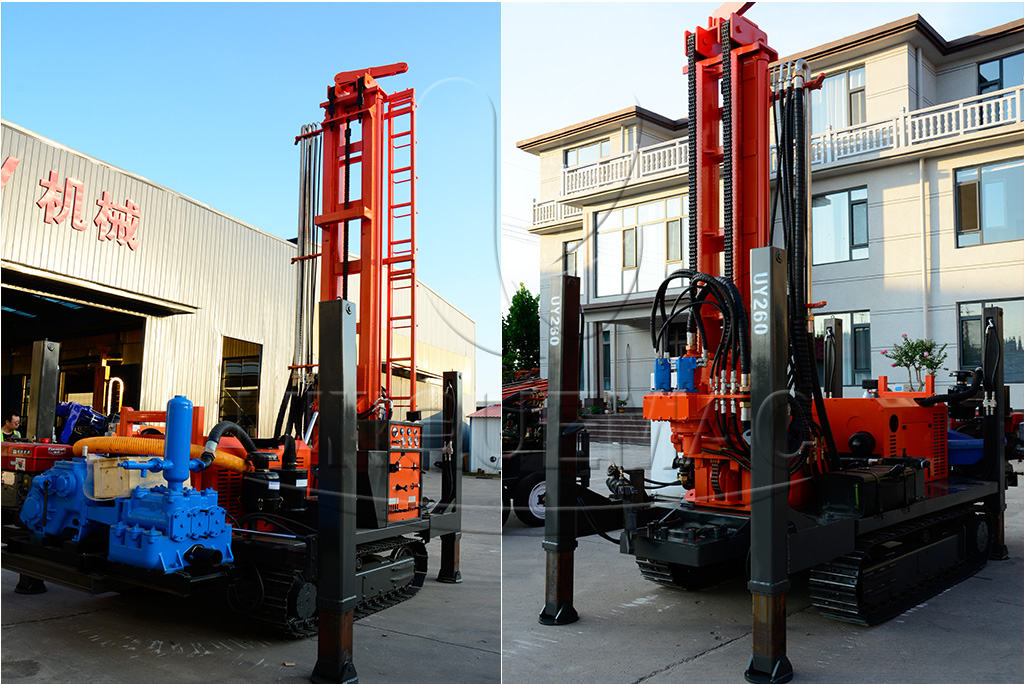
Borehole stability control sits at the core of rainy season well drilling management. The best approach is layered protection combining mechanical casing support, tight control over open-hole exposure time, stable drilling fluid circulation, and regular post-rain borehole inspections. These measures work together to stop wall sloughing before it develops into full collapse.
Install Surface Casing to Stabilize Loose Formations
Surface casing acts as the primary mechanical barrier against top-layer collapse. Crews must determine the setting depth of surface casing strictly according to geologic survey data and actual site conditions instead of relying on fixed universal depth standards. The main purpose of surface casing is to fully seal off loose, water-prone topsoil, sand layers and highly weathered bedrock sections.
Before drilling begins, field technicians analyze borehole logging data to identify all unstable shallow strata. The casing shoe must extend down into solid, impermeable stable rock or compact clay below the saturated loose zone. If the casing stops halfway inside a waterlogged sand layer, rainwater will still seep behind the pipe and erode the surrounding soil, leading to subsidence and collapse around the wellhead. Every well project requires a customized casing plan matched to local ground conditions.
Minimize Open-Hole Exposure Time
The longer an open borehole stays uncovered without casing support, the higher the risk of wall collapse after rainfall. Crews need to streamline the full sequence of drilling, hole cleaning and casing running to cut down unnecessary waiting time in the open hole. Drilling, hole cleaning and pipe lowering should follow one after another without long pauses in between.
Operators must control the speed of pulling and running drill strings carefully. Rapid lifting and lowering of drill rods creates sharp pressure changes inside the borehole, which disturbs the soil structure on the well wall and triggers sloughing. Slow, steady rod movement keeps downhole pressure balanced and avoids unnecessary formation disturbance. If crews have to pause work temporarily, they should keep the borehole full of drilling fluid to maintain hydrostatic pressure against the well wall.
Maintain Proper Drilling Fluid Circulation
Drilling mud forms a thin impermeable mud cake on the borehole wall, which blocks water infiltration and keeps the hole stable. When using mud rotary drilling in wet weather, crews need continuous monitoring of mud liquid level, return flow volume, mud density and cuttings carrying capacity. Rainwater easily dilutes mud, lowering viscosity and breaking down the protective mud cake, so regular performance checks become essential.
Adjust the drilling fluid formula according to different strata types. In loose sand layers, increase mud density to boost hydrostatic support. In sticky clay zones, add polymer additives to prevent clay swelling and bit balling. In fractured rock formations, build up mud wall-building properties to stop fluid loss into rock cracks. If crews notice sudden drops in return flow, falling liquid levels or sharp increases in drilling resistance, they must stop drilling immediately and investigate the root cause before continuing downhole operations. Continuing to drill with abnormal mud circulation will only accelerate borehole collapse.
Equipment entrapment on saturated muddy ground ranks among the most costly rainy season setbacks. Avoiding rig sinking requires proactive site preparation, reliable drainage systems, ground reinforcement and strict scheduling adjustments to avoid operating during the wettest conditions.
Prepare the Drilling Site Before the Rain
Site layout starts with a thorough pre-rain assessment of ground bearing capacity, terrain slope and natural surface water flow direction. Crews must divide the well site into three clearly defined zones: the rig operating area, material storage zone and vehicle access passage. Each zone needs ground evaluation to avoid soft low-lying land and unstable slope areas that will flood easily after rain.
The rig platform should be built on high ground away from natural drainage channels. Never set up the main drilling position in depressions where rainwater accumulates quickly. Material storage areas for casing pipes, drill bits and fuel tanks also require level, solid ground to prevent mud subsidence and material sinking. Access roads for transport trucks need to follow higher terrain routes to avoid low-lying muddy sections that become impassable after storms. Good site planning eliminates most sinking risks before the first heavy rain arrives.
Improve Site Drainage
Effective drainage keeps surface water flowing away from the rig platform and wellhead instead of soaking into the ground. Crews need to dig open drainage ditches around the perimeter of the drilling area, guiding all surface runoff downhill and away from the working zone. The depth and width of drainage channels must match local rainfall intensity to prevent overflow and ponding.
Deploy submersible water pumps in low-lying depressions to pump out accumulated standing water quickly after rain. Build simple sandbag retaining barriers around the rig base and wellhead to block surface water from washing directly onto the working platform. When rainwater cannot pool on the site, the topsoil stays relatively dry, ground bearing capacity remains stable, and the chance of rig sinking drops sharply.
Reinforce Soft Ground
Even with good drainage, prolonged rainfall still leaves topsoil soft and unstable. Crews must reinforce the ground under drilling equipment based on machine weight, track or tire contact pressure and measured soil bearing capacity. Heavy crawler rigs need thick steel plates or heavy-duty engineering mats laid across the entire working area to spread machine weight over a larger surface area. Wheeled drilling rigs require wider load-bearing pads to reduce point pressure on muddy ground.
All support mats and steel plates must sit on level ground without tilting. Uneven placement causes partial sinking and sideways sliding of the rig base. Before moving the drilling rig to a new position, crews need to recheck the condition of the ground route carefully. A surface that looks dry on top may still hold saturated mud just below the top layer. Never judge ground safety only by the appearance of the topsoil. Conduct walking tests with lighter vehicles first to confirm the ground can support the full weight of the drilling rig before relocation.
Adjust Equipment Movement and Work Schedules
Strict operational rules prevent crews from moving heavy machinery under dangerous wet conditions. Do not attempt rig relocation when the ground is still waterlogged, visibility is poor during downpours, or thunderstorms bring lightning risks. All machine movement activities must pause until the ground drains and stabilizes.
All rainy season field work must follow the site safety assessment results and the rig manufacturer’s operating guidelines. If the supervisor determines that ground conditions have become unsafe, drilling must stop immediately regardless of construction timelines. Waiting for the site to drain and ground to harden is far cheaper than freeing a stuck rig and repairing structural damage after sinking. Schedule all rig relocation and heavy equipment transport during dry weather windows whenever possible to avoid unnecessary mud entrapment incidents.
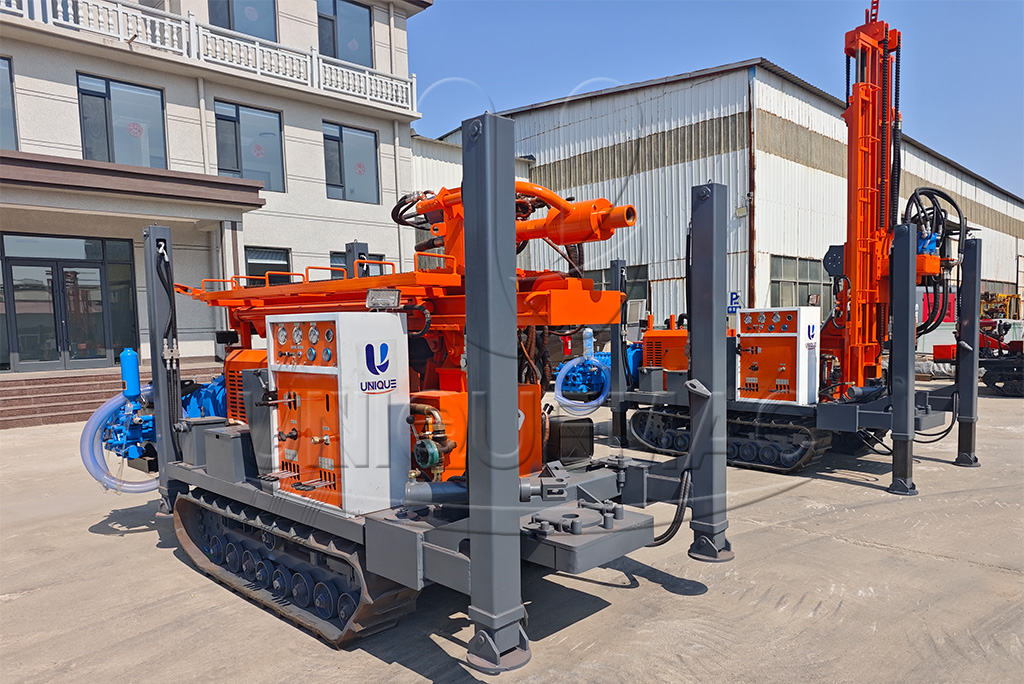
Moisture damage shortens the service life of drilling rigs and creates frequent unexpected breakdowns. A complete rainy season maintenance program covers electrical components, hydraulic and power systems, air compressor protection and spare part preparation for remote field sites.
Protect Electrical Components
Start every shift with a full inspection of all power cables, wiring connectors and equipment protective housings. Replace cracked insulation and broken outer casings right away to stop rainwater from touching exposed wiring. All electrical panels, sensor terminals and motor junction boxes must be fully sealed with rubber gaskets. Install additional waterproof rain covers over exposed control boxes on the rig mast and main power unit.
Strictly follow the manufacturer’s grounding requirements to build reliable earthing protection that prevents electric leakage on wet ground. If water seeps into control cabinets or wiring harnesses, crews must cut off all power supply first. Never attempt to power up wet electrical systems or take apart damp wiring without professional maintenance. Turning on water-damaged circuits leads to short circuits, burned-out control boards and even safety accidents on site.
Inspect Hydraulic and Power Systems
Check all hydraulic pipelines, pipe joints and rubber seals before each rainy work shift. Replace cracked, aging seals to stop rainwater from infiltrating hydraulic oil circuits. Pull out oil dipsticks regularly to check whether hydraulic oil has turned milky white from water contamination. Emulsified oil loses lubricating properties and will wear out hydraulic pumps, valves and cylinders rapidly.
Inspect engine fuel tanks and lubrication oil systems for water ingress as well. Condensation inside fuel tanks during humid weather mixes water into diesel fuel, leading to rough engine running and sudden power loss. Before starting the engine after rain, technicians must verify that all fluid systems meet the manufacturer’s safety standards before firing up the power unit.
Prepare Spare Parts for Remote Projects
Many well drilling sites sit in remote rural areas far from maintenance workshops. Rainy season road closures make it hard to rush replacement parts to the field after breakdowns. Crews need to prepare a full set of commonly used spare parts based on rig model and past failure records before the wet season arrives.
Stock up on air filter elements, hydraulic seals, rubber gaskets, wiring connectors and critical pipeline fittings. Keep a complete set of maintenance tools and waterproof repair kits stored in sealed dry containers on site. Build a written daily equipment inspection log to record all pre-shift checks and minor faults. Detailed inspection records help technicians quickly locate the root cause of mechanical problems when breakdowns occur, cutting down troubleshooting time and shortening equipment downtime.
Check Weather Forecasts Before Each Shift
The first step of every daily work plan is reviewing local weather bulletins. Track early warnings for heavy downpours, thunderstorms, flash floods and slope collapse risks in real time. Never start a full day of drilling work without first confirming the predicted rainfall window.
Adjust daily construction schedules dynamically according to weather changes. Schedule major drilling work during forecasted dry periods and leave equipment maintenance work for rainy hours. The project team must write down clear written rules for suspending work, evacuating personnel and restarting operations after storms. Every crew member understands the exact trigger conditions for stopping work and leaving the site ahead of incoming bad weather.
Follow a Before-During-After Rain Inspection Routine
Structured three-phase inspections eliminate hidden risks step by step. Before rain arrives, crews check site drainage channels, ground stability, equipment waterproofing and emergency supplies. Clear blocked ditches, reinforce soft ground, cover rig electrical parts with waterproof tarpaulins and lay out sandbags around the wellhead.
While rain is falling, keep continuous observation on the whole site. Monitor rising ponding water, ground subsidence, changes in borehole return mud and electrical leakage risks. If water levels rise quickly or slope soil starts sliding, begin controlled shutdown immediately.
After rainfall stops, do not rush to restart drilling. Carry out a full post-storm inspection covering the entire well site, borehole condition, rig machinery and all fluid systems. Confirm no ground movement, no well wall sloughing and no water damage to equipment before issuing permission to resume drilling work.
Know When to Stop Drilling
No construction timeline justifies taking unnecessary safety risks. Work must stop immediately when thunderstorms bring lightning hazards, flood water invades the well site, ground foundation becomes unstable or electrical systems cannot stay fully protected from moisture.
The decision to move or leave the drilling rig in place must be made by the on-site supervisor after evaluating ground conditions and following the rig manufacturer’s safety guidelines. Even if the project falls behind schedule, crews cannot attempt to drill or move heavy machinery on softened muddy ground to catch up on progress. Halting work temporarily to wait out bad weather protects both human safety and expensive drilling equipment from avoidable damage.
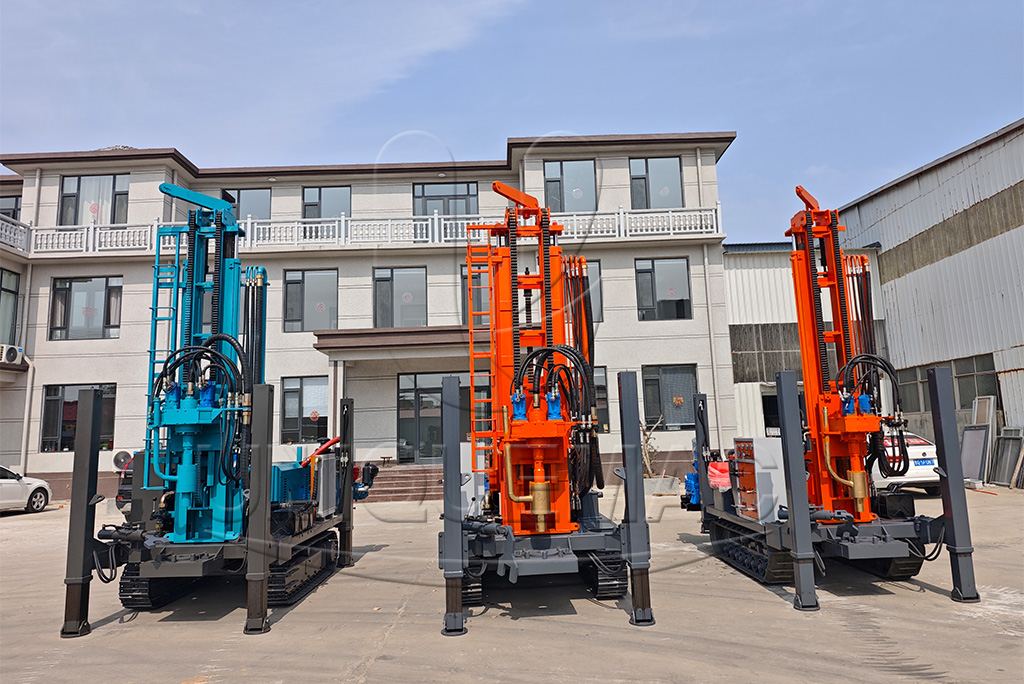
Consider Ground Conditions and Mobility
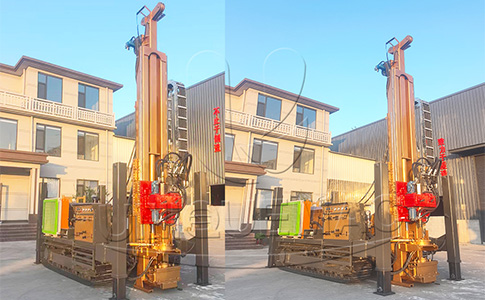
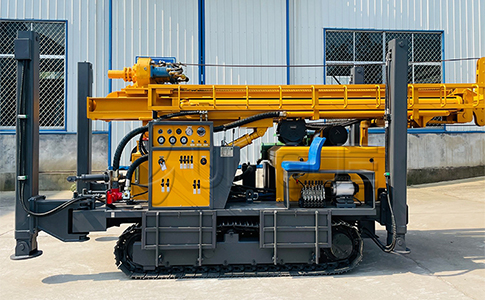
Crawler-type water well drilling rigs deliver far better terrain adaptability on wet, uneven job sites. Wide track plates distribute the total machine weight evenly across the ground, lowering ground pressure and reducing sinking risk on soft mud. These rigs can move slowly across uneven terrain and adjust positioning flexibly between multiple boreholes on the same site.
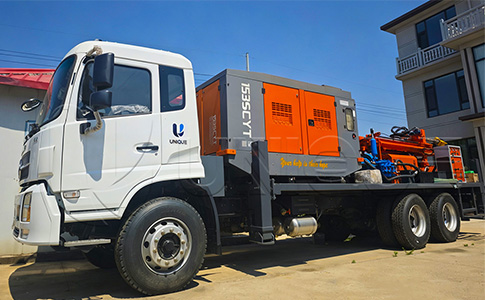
Wheel-mounted and truck-mounted drilling rigs have higher travel speed on paved roads but face strict limits on muddy rural sites. Before choosing wheeled rigs, crews must carefully assess unpaved access roads and the bearing capacity of the drilling platform. Even with crawler tracks, operators cannot assume the rig will never get stuck. Tracked machines still sink if the ground turns into deep saturated mud. Rig selection always requires an honest evaluation of actual soil bearing capacity rather than relying only on rig type.
Match the Drilling Method to the Formation
Rain-saturated strata demand careful matching between drilling technique and ground characteristics. Loose sand and gravel layers require strict borehole wall stabilization, which means controlling open-hole time and maintaining stable drilling fluid circulation at all times.
For formations suitable for mud rotary drilling, buyers need to select rigs equipped with high-performance mud pumps and complete mud circulation systems. Strong mud circulation ensures stable mud density, reliable cuttings removal and continuous wall protection even when rainwater dilutes drilling fluid. For hard rock formations suited to air DTH hammer drilling, crews need to pair the drill rig with properly sized air compressors that deliver stable air volume and pressure.
No single drilling method works universally for all rainy season projects. Crews cannot simply switch to air drilling only because the wet season has arrived. The choice between mud rotary drilling and air percussion drilling must always be based on local geology, groundwater levels and well design requirements.
Rainy season water well drilling becomes far more manageable with systematic planning and disciplined field execution. Three core principles guide all successful wet-weather drilling projects. First, complete site drainage improvements and soft ground reinforcement before the rains arrive to keep the working platform stable and free of ponding water. Second, manage borehole stability closely by installing proper surface casing, shortening open-hole exposure time and maintaining steady drilling fluid circulation to counteract waterlogged strata. Third, stick strictly to pre-rain, during-rain and post-rain equipment inspection workflows while enforcing clear safety stop rules to avoid unnecessary risk taking for tight construction deadlines.
No set of precautions can completely eliminate borehole collapse or mechanical failure during extreme rainy weather, but proactive planning can cut accident rates and project downtime significantly.
UNIQUEMAC provides water well drilling rigs and project-specific equipment configurations for different drilling depths, ground conditions and jobsite requirements. Contact our team to discuss a suitable drilling solution for your next project.