EN

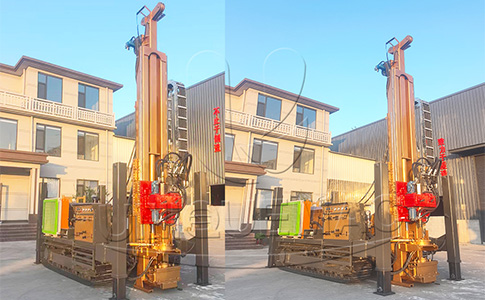
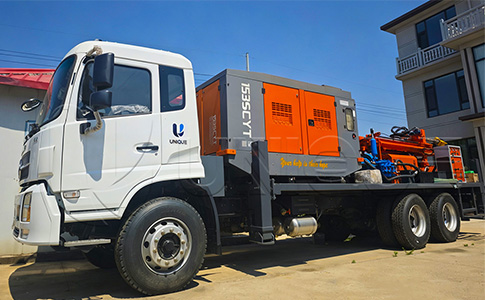
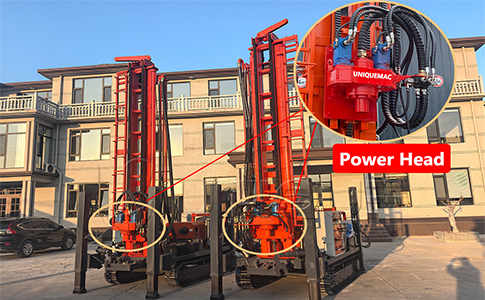
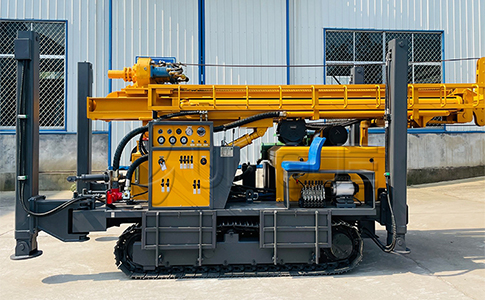
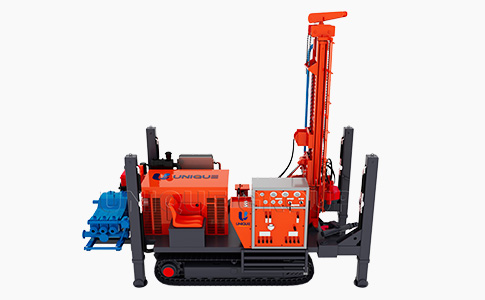
When a water well contractor in Guatemala needed a dependable machine to deliver clean water across several sites, he did not reach for the largest rig on the market. Instead he chose a customized 200m water well drilling rig from UNIQUEMAC and put it to work immediately. Since September, that single crawler water well drilling rig has completed five water wells with a combined drilling depth of 350 meters. The jobs range from shallow 50-meter bores to a 150-meter deep well, and the customer reports strong drilling speed and high overall work efficiency across all of them.
The question most buyers ask is straightforward. How long does it actually take to drill five water wells in Guatemala? The precise answer depends on the ground, the drilling method, and the equipment configuration. But this real customer project shows what a properly matched water well drilling machine can achieve in the field, and it explains why a 200m crawler setup made sense for work of this kind. In this article we walk through the project results, the equipment choices behind them, and the practical factors that determine drilling time on any water well site.
The strongest proof of performance is a completed job. Between the start of September and the time of this update, the UNIQUEMAC customer in Guatemala finished five wells at different depths.
| Well | Drilling Depth |
| Well 1 | 50 m |
| Well 2 | 50 m |
| Well 3 | 50 m |
| Well 4 | 100 m |
| Well 5 | 150 m |
| Total drilled depth | 350 m |
Table 1 Drilling depth of the five water wells
Taken together, these five wells represent 350 meters of cumulative drilling. Some of the work was relatively light, such as the three 50-meter wells. Other tasks pushed deeper, including a 100-meter well and a 150-meter well. This mix is exactly the kind of workload a water well drilling rig faces in normal service, and it demonstrates how the machine handled both shallow and deep assignments without a change in equipment.
It is worth stating the timeline carefully. The customer started working with the rig in September and completed five wells over that period. We do not claim that the five wells were drilled in a few days, because actual drilling time is shaped by many site factors. Geology, drilling method, drilling fluid, casing installation, and site preparation all influence progress. What we can confirm is the measurable outcome. One UNIQUEMAC 200m crawler water well drilling rig produced five finished wells with a total depth of 350 meters, and the customer expressed clear satisfaction with the speed and efficiency.
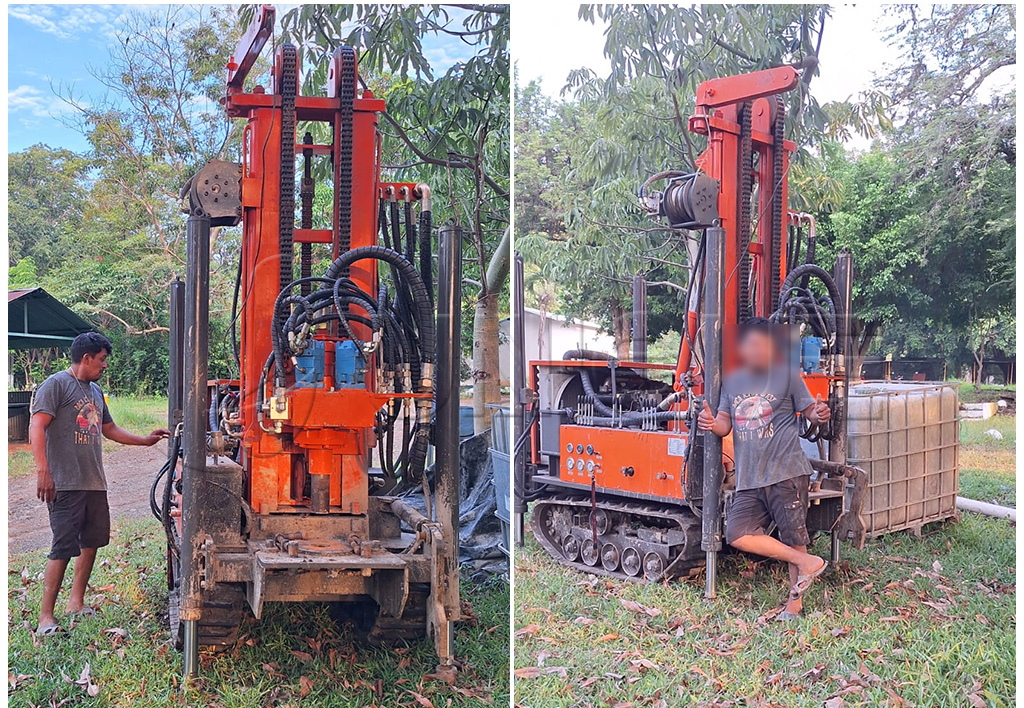
The decision to buy a machine is rarely about one feature alone. In this case the customer needed a unit that could reach moderate depths, move between drilling points without difficulty, and support mud drilling operations. The customized 200m crawler water well drilling rig matched those requirements closely.
A Drilling Capacity of up to 200 Meters
The design drilling capacity of this rig reaches 200 meters. For the customer in Guatemala, that capability comfortably covers the current workload of 50 to 150 meter wells while leaving room for deeper projects in the future. It is important to understand that maximum rated depth is not a guarantee. Actual drilling capacity depends on the formation, the drill tools, and the conditions at each site. But choosing a machine with reserve depth is a practical way to avoid buying again too soon.
Rubber Tracks for Better Mobility
Water well projects rarely stay on a single spot. This customer had to move between five different drilling points, and the rubber tracks made those moves more practical. Crawler water well drilling rigs equipped with rubber tracks can travel across the site and reposition between wells more easily than machines that require separate transport or heavy trailers. The rubber track design provides a reasonable balance of mobility and stability for rigs that work across multiple locations. This does not mean the tracks suit every terrain, but for this type of multi-site drilling work the configuration proved practical.
6-Inch and 8-Inch Drill Bits
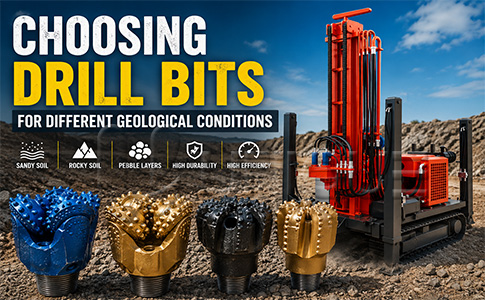
The rig comes configured with both 6-inch and 8-inch drill bits, giving the operator a choice of bore diameter to suit the project. Drilling a larger hole requires different tools and often more time, while a smaller hole can be advanced more quickly in suitable ground. Having both sizes available meant the customer could match the bit to the well design rather than compromise. The selection of bit diameter is one of the first decisions on any water well job, and a rig that supports more than one option adds flexibility.
Mud Pump for Mud Drilling Operations
Mud drilling is common in many water well projects, and this rig is equipped with a mud pump to support that process. The mud pump circulates drilling fluid down the hole and back to the surface. That circulation carries cuttings out of the bore and helps stabilize the hole wall during drilling. The effectiveness of mud drilling always depends on the formation and the drilling fluid program, but the presence of a capable mud pump means the rig can handle projects that call for this technique. For customers evaluating a water well drilling machine with mud circulation requirements, this is a key feature to examine.
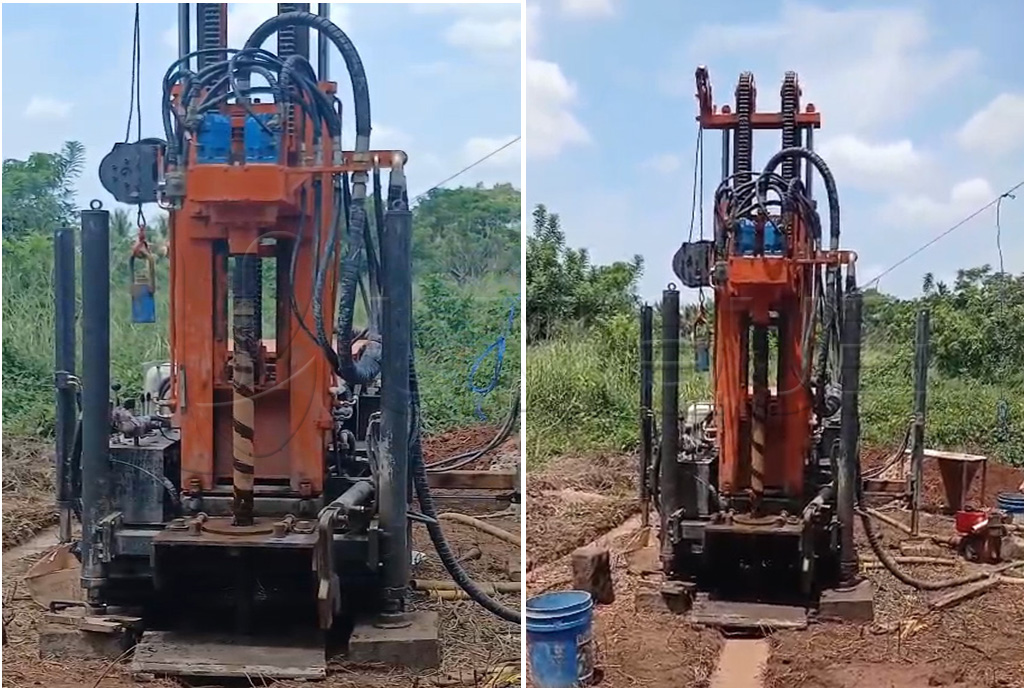
The customer feedback on this project was positive, and the reasons relate directly to the equipment in service. This section explains why the machine supported efficient work instead of simply listing generic product advantages.
Fast Drilling Progress
The customer reported that the rig advanced holes quickly and worked with high efficiency. Speed in water well drilling is the result of a combination of factors including machine power, drill tool selection, drilling fluid, and operator skill. What makes this project meaningful is that the feedback comes from a machine working on real wells rather than from a factory test. The three 50-meter wells, the 100-meter well, and the 150-meter well all came out of the same rig in continuous field service, which is the kind of evidence buyers can trust.
Suitable for Different Well Depths
Having completed wells at 50 meters, 100 meters, and 150 meters, the rig has proven that it can handle more than one depth range. This matters for contractors who take on varied jobs rather than repeating the same bore over and over. A machine that performs well across different depths gives a contractor more flexibility in bidding and scheduling. It would be inaccurate to claim that this five-well record proves identical performance in every formation, but the range of depths already achieved is a solid practical reference point.
Less Need to Change Equipment Between Jobs
A single rig that can take on shallow and deeper wells reduces the need to switch machinery between assignments. In this project the customer moved between five drilling points using the same unit, which simplified logistics and kept the operation running. For contractors, fewer equipment changes mean less downtime, lower transport cost, and simpler maintenance planning. This is a general operational benefit of a versatile rig rather than a specifically measured result of this project, but the practical logic is straightforward.
This is the question that matters to any buyer comparing options in the region. Guatemala has varied terrain and geology, so no single answer applies to every location. Still, the configuration used in this project addresses several common needs.
Mobility matters when drilling points are spread across different sites. The rubber tracks on this crawler water well drilling rig helped the customer reposition between the five wells without heavy additional transport.
Drilling depth is another factor. A rig with a 200m rated capacity can support a wide range of medium and deeper water well projects. The actual working depth for a given site must be confirmed against local hydrology and formation conditions.
Mud drilling capability is relevant for projects that use circulating drilling fluid. The mud pump on this machine supports that process and allows the contractor to take on jobs that require it.
Customized configuration is the final piece. Drill bit size and overall equipment setup can be selected to match a specific construction plan. In this project the customer benefited from having the rig arranged around his actual workload.
It is important to emphasize that ground conditions in Guatemala vary by region. When selecting a water well drilling machine, buyers should evaluate the rock, the soil, the groundwater conditions, the target bore diameter, and the chosen drilling method. A country name alone is never enough to decide which machine fits. Site-specific assessment is the responsible approach.
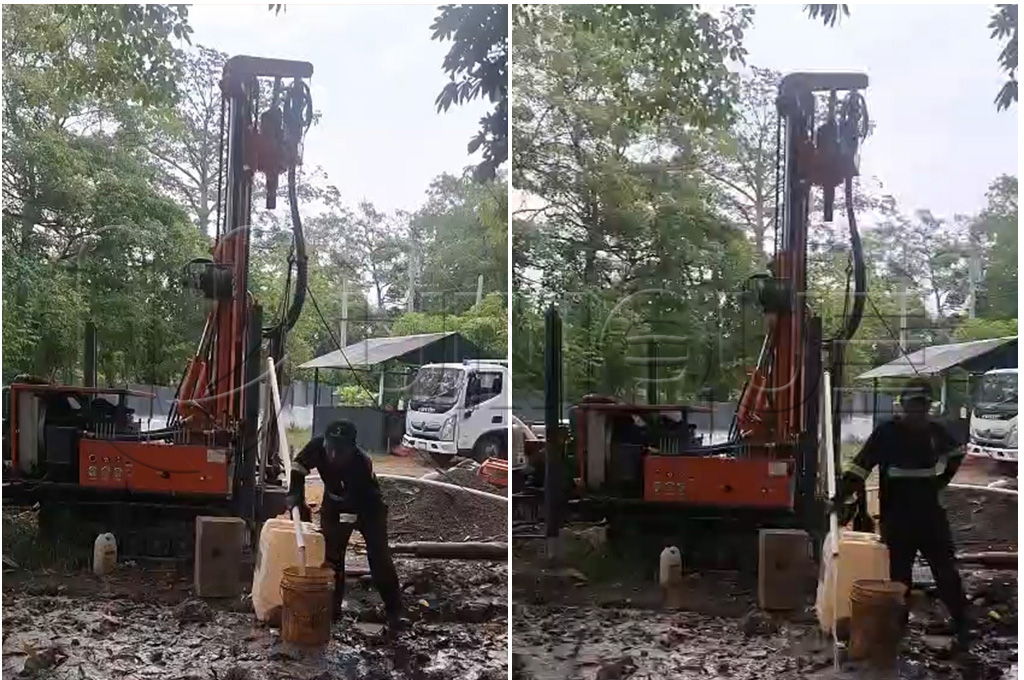
Buyers who are actively comparing a 200m water well drilling machine should look beyond the headline depth rating. The following points help narrow the choice to a unit that fits the real project.
Check the Required Drilling Depth
Start with the depth you actually need to reach. Match the machine specification to the target well depth, the geology, and the drilling method you plan to use. Do not select a rig only by its maximum rated depth, because deeper ratings do not automatically translate into faster or better work at shallow depths. A machine that comfortably handles your typical jobs is usually the better investment than one that simply has a bigger number on paper.
Choose the Right Drill Bit Diameter
The bit diameter must match the target well size and the casing plan. Confirm that the drill bits, drill rods, and downhole tools are compatible with the bore you intend to construct. Choosing the correct diameter avoids wasted time and reduces the risk of problems during drilling. A rig that offers multiple bit sizes gives you more room to adapt to different well designs.
Consider Mud Pump Requirements
If your project uses mud drilling, the mud pump must deliver the flow and pressure your formation requires. The right pump configuration keeps the drilling fluid circulating, carries cuttings away, and helps maintain a stable hole. Evaluate the pump capacity against your drilling plan rather than accepting a generic specification.
Evaluate Site Mobility
Think about how the machine will reach and move between drilling points. Consider the condition of the access roads, the load capacity of the ground, the slopes on site, and the distance between wells. A crawler water well drilling rig with rubber tracks was a practical answer for this Guatemala project because the customer had five separate locations to cover. Your own site conditions will determine whether the same configuration suits you.
Every drilling project is different, and the best machine is the one matched to your specific conditions. UNIQUEMAC provides customized configurations so that buyers can arrange the rig around their actual drilling depth, ground conditions, and working methods rather than forcing a standard setup to fit.
The numbers from this project tell a clear story. Since September, the customer in Guatemala has completed five water wells using the UNIQUEMAC customized 200m crawler water well drilling rig, with a combined drilling depth of 350 meters. The wells range from 50 meters to 150 meters, and the customer expressed positive feedback about the drilling speed and work efficiency. This real-world result shows what a well-matched water well drilling machine can deliver when the configuration is chosen around the actual job.
Choosing a water well drilling rig is about more than maximum drilling depth. The right decision also takes into account the site geology, the drilling method, the mobility of the equipment, and the real efficiency of the machine in daily operation. A rig that can move between sites, drill at multiple depths, and support the drilling process you use is worth more than a spec sheet with a single impressive number.
Looking for a reliable 200m water well drilling rig for your project? Contact UNIQUEMAC to discuss your drilling depth, ground conditions, and customized equipment requirements. UNIQUEMAC engineers water well drilling machines around the needs of each customer, so you can build a configuration that fits your site and your budget.