EN

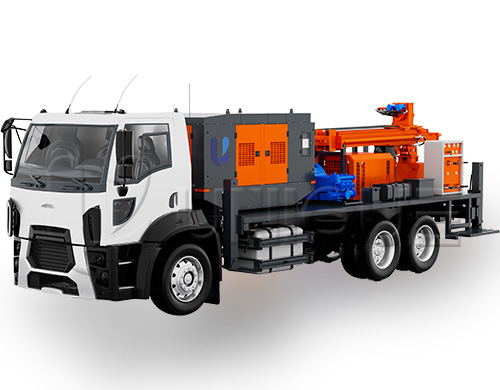
There is no single fixed price for drilling a water well. Water well drilling is a customized engineering project, and its overall cost fluctuates greatly based on multiple on-site and equipment related factors. Many project owners and drilling contractors struggle to form an accurate budget before construction, mainly because the final expense cannot be determined by depth alone.
The core factors that shape water well drilling costs cover the entire construction process, including drilling depth, geological conditions, borehole diameter, drilling method, drilling rig model, on-site labor cost, fuel consumption, drill bit loss, drill pipe configuration, casing installation, mud or air circulation system operation, equipment transportation, well development and final pump installation. Every link will generate independent costs and affect the total project budget.
A clear industry fact is that the cost of a 100m well can be very different from a 300m or 500m well. Shallow wells in soft soil areas often require simple equipment and low consumption, while deep wells or wells in complex rock formations need high power drilling equipment, more consumables and longer construction cycles. To estimate the total cost accurately, you need to calculate both the initial equipment cost and the cost per meter of drilling, so as to avoid budget gaps and hidden expenses in the construction process.
Most novice project owners simply equate water well drilling cost with drilling rig price, which leads to serious budget underestimation. In fact, drilling rig cost is only one part of the total expenditure. A complete water well project involves multiple cost categories covering equipment, consumables, construction, transportation and after completion processing. The detailed cost composition is shown in the table below.
| Cost Category | What It Includes |
| Drilling Rig | Purchase or rental of full set drilling equipment |
| Drill Pipes | Different lengths and diameters matching drilling depth and borehole size |
| Drill Bits | DTH bits PDC bits and alloy bits for different formations |
| Compressor | Air supply support for air drilling and DTH drilling operations |
| Mud Pump | Power supply for mud circulation and borehole cleaning |
| Casing | Pipe materials and installation work for borehole stabilization |
| Fuel | Diesel consumption or electricity cost for equipment operation |
| Labor | Salaries for professional operators and on-site construction workers |
| Transportation | Freight for drilling rig and auxiliary equipment delivery |
| Maintenance | Replacement of wear parts and daily equipment repairs |
| Well Development | Post drilling well cleaning and performance testing |
| Water Pump | Procurement and installation of final water extraction system |
It is critical to understand that Total Well Cost does not equal Drilling Rig Price. Only by counting all the above cost items can you obtain a real and accurate project budget, avoiding unexpected cost overruns during construction.
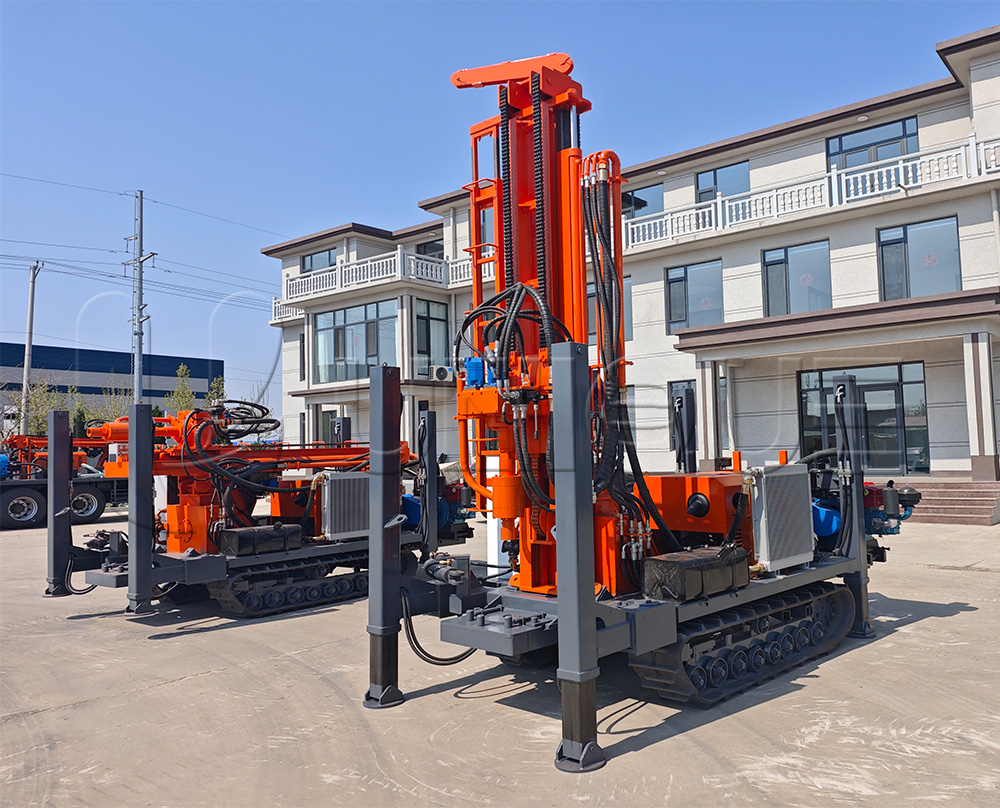
Drilling depth is the most basic parameter for cost calculation, which directly determines equipment configuration, consumable dosage and construction cycle. To confirm the accurate drilling depth, you need to comprehensively refer to expected water table, required water yield, professional geological survey results, target aquifer position and local historical drilling records.
In actual project configuration, we need to reserve a certain depth margin for equipment selection to ensure construction safety and efficiency. For a project with an expected drilling depth of 150m it is recommended to select equipment with a 200m grade capacity. For 250m projects 300m grade equipment is the optimal choice. For 400m projects 500m grade equipment is required and 600m deep wells need higher grade depth drilling equipment.
A key professional principle for drilling cost estimation is that rated drilling depth should not be treated as a guaranteed drilling depth under every geological condition. The actual feasible drilling depth is restricted by multiple factors including rock hardness, borehole diameter, drill pipe quality, drilling method, compressor capacity and formation stability. Ignoring these restrictions will lead to inaccurate equipment selection and increased hidden costs.
Geological conditions are the core factor affecting drilling cost, and in most cases they play a more decisive role than drilling depth alone. Different stratum structures require different drilling technologies, equipment and consumables, resulting in obvious differences in construction difficulty and cost. Common drilling formations are divided into three categories.
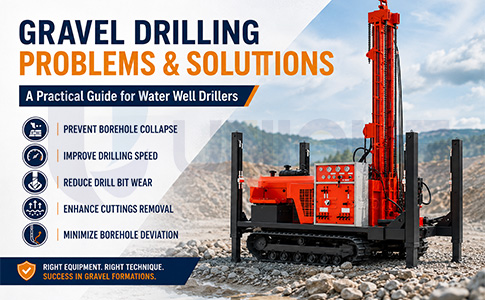
Soft soil formations include clay, silt and loose soil. These formations have low hardness and good drillability with fast drilling speed and low wear on equipment and consumables, so the overall drilling cost is relatively low. Loose formations cover sand, gravel and cobbles. Such strata are prone to collapse and require borehole stabilization measures during construction, increasing operational difficulty and auxiliary material costs.
Hard rock formations consist of granite, basalt, limestone and quartzite. These rocks have high hardness and strong abrasiveness, which will slow down drilling speed, accelerate drill bit and drill pipe wear, and extend the construction cycle. Harder and more fractured formations generally increase drilling time, tool wear and operating costs. Many high cost deep well projects are mainly affected by complex hard rock geology rather than excessive depth.
Matching the correct drilling method according to formation conditions is the key to controlling drilling costs. Improper drilling technology will reduce construction efficiency and increase equipment loss, bringing unnecessary cost waste. The three mainstream drilling methods and their applicable scenarios are as follows.
Rotary drilling is suitable for soft formations such as clay and loose soil with flexible operation and low energy consumption. DTH drilling is mainly applied to hard rock, fractured rock and deep hard rock water wells, featuring high drilling efficiency and strong rock breaking ability. Mud rotary drilling is designed for unstable formations including sand and gravel, which can effectively maintain borehole stability and prevent collapse through mud circulation.
| Formation | Possible Method |
| Clay | Rotary / Mud |
| Sand | Mud Rotary |
| Gravel | Mud / Casing |
| Limestone | DTH |
| Granite | DTH |
| Mixed Formation | Combination |
Choosing the wrong drilling method can significantly increase drilling cost. For example, using rotary drilling for hard rock will lead to extremely slow progress and frequent tool damage, while using DTH drilling for soft soil will cause excessive equipment power waste.
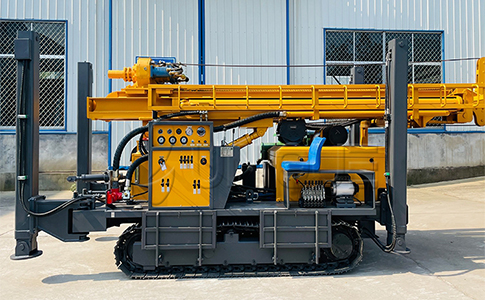
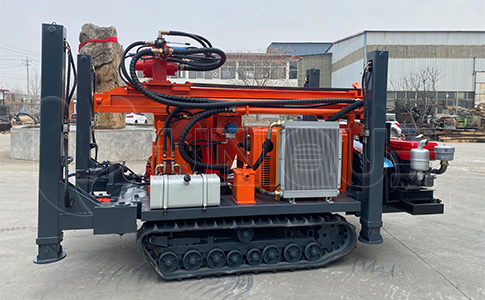
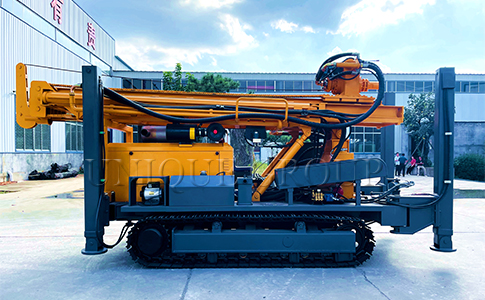
Drilling rig cost accounts for the largest proportion of the total project cost, and it is divided into two modes equipment purchase and equipment rental. You need to select the calculation mode according to project quantity and long term operation demand.
For purchasing a drilling rig the total cost includes rig purchase price, international shipping fee, customs clearance fee, on site installation cost and initial spare parts reserve cost. This mode is suitable for long term and multi project operation, with lower average equipment cost in the later stage.
For renting a rig the cost covers daily rental fee, professional operator salary, equipment transportation fee, on site fuel cost and daily maintenance fee. The total rental cost is directly linked to the rental period, which is suitable for single short term projects.
When is buying a water well drilling rig more economical than renting one?
You can judge through simple cost calculation logic. Total Rental Cost equals Daily Rental Rate multiplied by Project Days plus Transport Fee plus Fuel Cost plus Labor Cost. The longer the project cycle, the higher the total rental cost. Equipment Cost per Project equals Total Purchase Cost divided by Expected Number of Projects. When the average single project equipment purchase cost is lower than the rental cost, purchasing equipment is more cost effective.
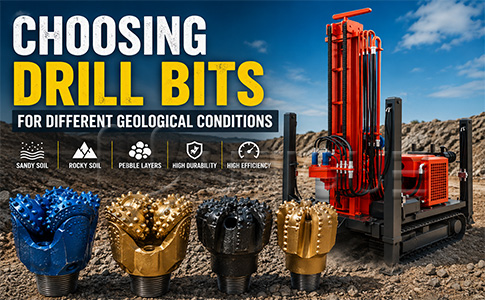
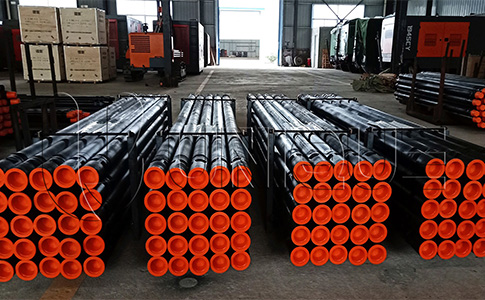
Drill pipes and drill bits are core consumables in drilling projects, and their cumulative loss cost cannot be ignored in budget estimation. For drill pipe cost calculation you need to consider pipe length, diameter, thread type, total quantity and service life. It is important to note that a 300m drilling depth does not mean you only need to prepare 300m of drill pipe. On site construction requires reserved extra pipes, replacement pipes and special matching pipes for different drilling sections, which will increase the total pipe cost.
Drill bits are vulnerable parts with high replacement frequency, and the cost is usually calculated by drilling meterage. Bit Cost per Meter equals Bit Cost divided by Actual Drilling Meters. For example if a drill bit costs 500 US dollars and the actual effective drilling meterage is 250m the unit bit cost is 2 US dollars per meter. This intuitive calculation standard helps project owners accurately control consumable cost expenditure.
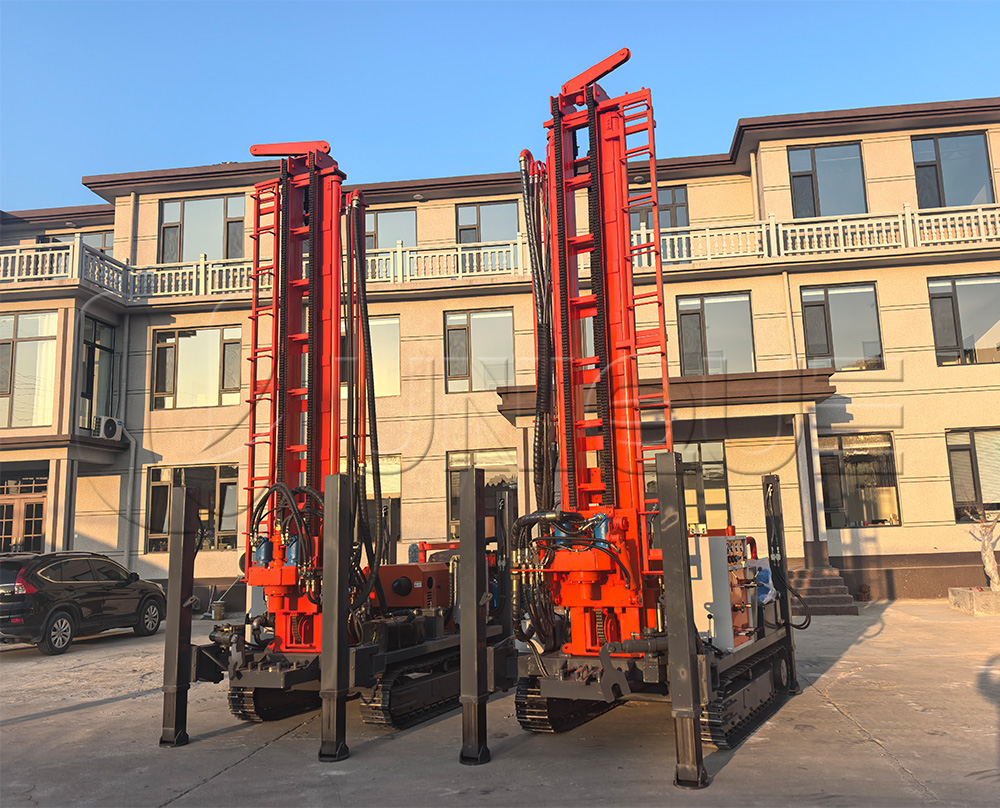
Fuel and energy cost is a continuous expenditure throughout the construction period, affected by equipment engine power, daily working hours, unit fuel consumption, local diesel price and auxiliary equipment energy consumption including compressor and mud pump. The core calculation formula is Fuel Cost equals Fuel Consumption per Hour multiplied by Working Hours multiplied by Fuel Price. Further unit consumption can be obtained by dividing total fuel cost by total drilling meters to get Fuel Cost per Meter.
Many users misunderstand that high power rigs mean higher total drilling costs. In fact a more powerful rig does not automatically mean higher total drilling cost. High power equipment has faster drilling speed and higher construction efficiency, which can shorten the project cycle and reduce labor and rental costs. Higher productivity can fully offset higher fuel consumption, achieving lower overall project cost.
Professional water well drilling requires a complete on site team including drilling operator, assistant operator, construction helpers, professional mechanic and site supervisor. Labor Cost equals Number of Workers multiplied by Daily Wage multiplied by Project Days. Drilling efficiency directly affects labor costs and becomes a key variable of total expenditure.
Taking a 300m water well project as an example if the daily drilling efficiency is 20m the project requires 15 working days with full team labor expenditure. If high efficiency drilling equipment increases daily progress to 40m the construction cycle is shortened to 8 days. The shortened construction period can greatly reduce total labor cost and create obvious cost advantages.
Casing and borehole stabilization are essential processes to ensure well quality, especially for complex loose formations. The related costs include casing pipe procurement, casing installation fee, mud material cost, bentonite and polymer stabilization materials. In loose sand gravel and fractured formations borehole collapse risks are high, requiring full section casing and repeated stabilization treatment, which significantly increases project cost.
Adequate budget for stabilization materials and casing construction can avoid well collapse accidents and secondary reconstruction costs. Many low budget projects face scrapped wells due to insufficient casing support, resulting in greater economic losses.
On site project costs cover multiple invisible expenditures including drilling rig transportation, compressor and drill pipe freight, site leveling and preparation, on site fuel delivery, staff accommodation and equipment mobilization and demobilization fees. For remote drilling projects with inconvenient traffic conditions transportation can represent a significant part of the total project cost, even exceeding equipment rental and fuel costs in extreme cases.
It is wrong to think that drilling finished means project finished. After drilling completion a series of post processing work is required to form a usable water well. Well development includes well flushing, air lifting, continuous pumping and internal well cleaning to remove sediment and impurities in the borehole.
Subsequent pump installation work covers submersible pump procurement, matching water pipes, power cables and intelligent control system installation. Meanwhile professional water testing is required to detect water yield, water quality and stable pumping performance to ensure the well meets daily use and industrial production standards. All these links generate independent costs that must be included in the total budget.
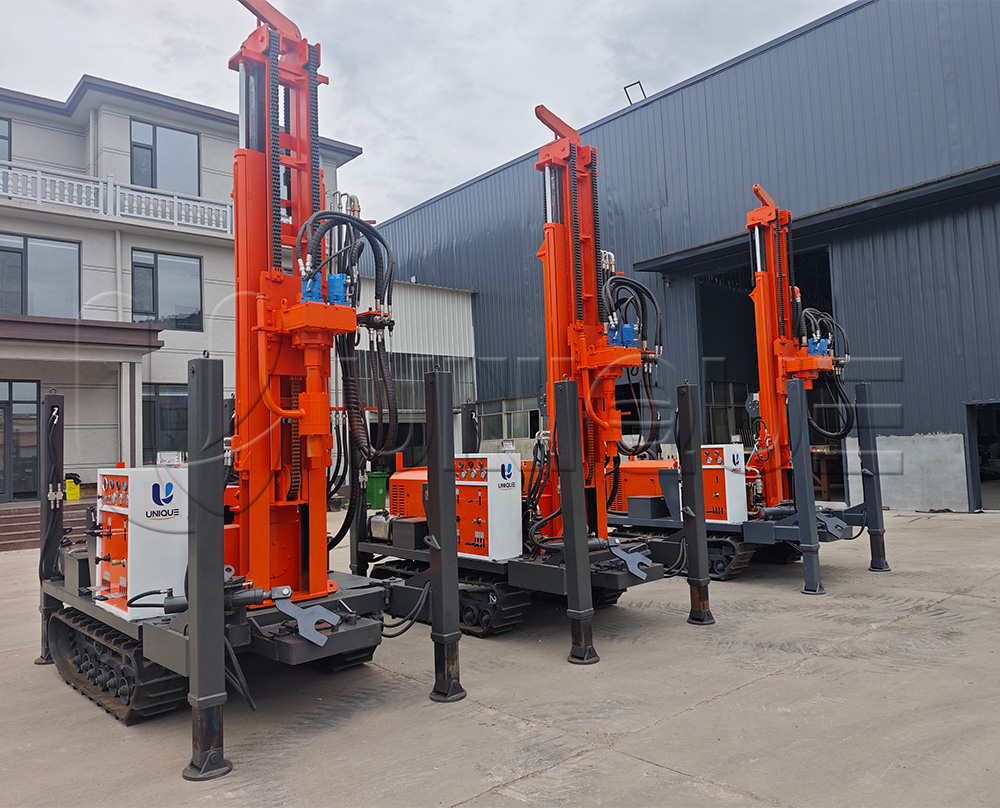
Reasonable cost control does not mean reducing equipment quality or cutting construction links, but optimizing configuration and construction technology to eliminate invalid consumption. Seven practical cost saving methods are summarized for drilling projects.
First choose the right drilling rig. Do not select underpowered equipment to save initial costs, which will lead to low efficiency and frequent failure losses. Second match the compressor correctly. Insufficient pressure and air volume will directly reduce DTH drilling efficiency and increase unit consumption. Third select the correct drill bit according to formation conditions to avoid high cost loss caused by mismatched bits in hard rock drilling.
Fourth plan casing requirements before drilling to avoid temporary shutdown and secondary construction caused by insufficient preparation. Fifth maintain drill pipes and drilling tools regularly to prevent stuck pipe, thread damage and premature equipment failure. Sixth optimize drilling speed reasonably by comprehensively adjusting rotation speed, feed pressure, air pressure and flushing effect instead of blindly pursuing high rotation speed. Seventh select equipment based on project adaptability rather than simply focusing on low purchase price. The cheapest drilling rig is not always the lowest-cost drilling solution.
Project owners need to choose equipment procurement mode according to operation demands. The core differences between buying a rig and hiring a contractor are as follows.
| Evaluation Dimension | Buy a Rig | Hire a Contractor |
| Initial investment | High | Low |
| Long-term projects | Better | Depends |
| Equipment control | High | Low |
| Flexibility | High | Medium |
| Maintenance | Owner responsibility | Contractor responsibility |
| Potential ROI | High | N/A |
Buying equipment is more suitable for users with multiple projects, professional drilling business operation, long term construction demands and independent schedule control requirements. Hiring contractors is the best choice for single small projects, users without professional operators and those who want to avoid equipment maintenance work.
Q1. How much does it cost to drill a 100m water well?
A 100m shallow water well in soft soil areas has a low overall cost, with the unit price mainly affected by local labor and fuel prices. The total cost is far lower than deep wells, and no complex casing and rock breaking equipment is required.
Q2. How much does it cost to drill a 300m water well?
A 300m water well is the most common engineering project. The total cost varies greatly according to geology, with hard rock formation costs significantly higher than soft soil due to increased consumable loss and construction cycle.
Q3. How much does it cost to drill a 500m water well?
A 500m deep well requires high power drilling equipment and high strength drill pipes and bits, with higher fuel consumption and labor costs. Complex geological conditions will further increase the total project budget.
Q4. What is the average cost per meter for water well drilling?
The average unit drilling cost is affected by depth, geology and equipment. Soft soil shallow wells have lower unit prices, while hard rock deep wells and unstable formation wells have higher unit costs.
Q5. Is it cheaper to buy or rent a water well drilling rig?
Renting is cheaper for single short term projects, while purchasing equipment has obvious cost advantages for long term continuous multi project operation with lower average single project cost.
Q6. What factors affect water well drilling costs?
Core influencing factors include drilling depth, geological conditions, drilling method, equipment configuration, fuel price, labor cost and auxiliary construction materials.
Q7. Does deeper drilling always cost more?
Deeper drilling usually increases costs, but complex shallow hard rock projects may cost more than simple deep soft soil wells, proving geology is more critical than depth alone.
Q8. How can I reduce the cost of drilling a water well?
Optimize equipment configuration and drilling method, maintain tools regularly, plan construction in advance and match consumables reasonably to eliminate invalid cost consumption.
Water well drilling cost depends on much more than drilling depth. Accurate budget calculation needs to comprehensively evaluate drilling depth, geological conditions, drilling method, rig and auxiliary equipment configuration, tool consumables, fuel consumption, labor cost, casing stabilization, transportation and post project processing costs. Only full link calculation can avoid budget errors and cost overruns.
Planning a 200m, 300m, 500m or deeper water well project? Contact UNIQUEMAC with your target depth, borehole diameter and geological conditions. Our professional team can recommend a suitable drilling rig configuration, provide accurate cost estimation solutions and help you complete low cost and high efficiency water well drilling projects.